Weighing Up HMDD Shorts versus Sweatpants: Which Option Fits Best For Your Daily Routine
The choice between HMDD shorts and HMDD sweatpants goes further than the weather. Instead, it reflects how your day plays out, the pieces missing from your closet, and which fit echoes the HMDD label’s spirit — Happy Memories Don’t Die — a name so many shoppers are chasing in 2026. Both categories share the same DNA: laid-back proportions, street-style-driven cuts, along with understated branding that lets the piece do the talking in place of an oversized logo. However the two pieces solve different problems. To help you decide which one earns a lasting spot in your closet, or whether you need them both, here we unpack the functional distinctions.
Among people researching an HMDD review before committing to buy, HMDD has built a following, in big part because the brand doesn’t make inflated claims. It’s positioned as casual staples with a heartfelt undercurrent — the name itself, happy memories dont die, suggests a brand centered on nostalgia and comfort not rapid fast-fashion turnover. Two of the most searched products are shorts and sweatpants, and each answers a different lifestyle rhythm: one built for warmth and stillness, the other for movement and airflow.
The Mission HMDD Shorts Exist
All-round function is the top priority in the design of HMDD shorts. They land in that hybrid space of casual-athletic dressing, meaning they perform just as well for running errands, a workout, or kicking back with the AC on. Falling at or just above the knee, the cut stays current while avoiding either extreme of the short-length spectrum. This in-between proportion has become a defining trait of the HMDD line overall — pieces that don’t chase micro-trends but instead settle into a proportion that hmdd la tee ages well across seasons.
Here, the weight of the fabric carries real importance. Shorts function as fundamentally a hot-weather or in-between-season category, while HMDD’s method gives preference to breathable cotton-blend constructions that retain their form through repeated washing. For anyone leading an active lifestyle — walking the dog on a twice-a-day schedule, getting in a 6 a.m. training session, or spending afternoons outside — shorts ease friction, literally and figuratively. They also work well when layered under longer outerwear when temperatures drop, and this extends their wearable season beyond just summer.
Looking at it from a styling angle, the HMDD shorts team up well with the label’s hoodies and graphic tees, resulting in a cohesive look without needing to try hard.
For shoppers researching best HMDD clothing picks for a first purchase, shorts are often recommended as an entry point because the sizing tends to be more forgiving than fitted bottoms, and the price point typically sits lower than sweatpants due to less fabric used in construction.
Exactly What HMDD Sweatpants Are Made For
Unlike shorts, sweatpants serve a wholly different purpose. These are engineered to deliver heat retention, comfort that lasts the whole day, and a more relaxed shape that reads more “lifestyle” than “performance gear.” The HMDD sweatpants line usually offers a tapered leg with an elastic or drawstring waist, and the material thickness runs denser — frequently a brushed fleece that traps heat effectively during winter stretches.
This makes sweatpants the better choice for anyone whose daily routine involves more sitting than moving: people working from home, university students sitting through lectures, or anyone needing dependable wear for cold starts and late nights. What you sacrifice is airflow. Sweatpants aren’t designed for high-output activity the way shorts are, so if your day includes handling errands in warm 75-degree conditions, sweatpants will work against you rather than for you.
Where sweatpants outperform shorts is in perceived value per wear. Given that they’re worn through a larger portion of the year climate-wise — consider October through March in milder climates — the cost-per-wear calculation often favors sweatpants even when the upfront price is higher. HMDD’s sweatpants also tend to carry more of the brand’s signature detailing, like embroidered lettering referencing happy memories don’t die, since the larger fabric surface area gives designers more room to work with.
Comparing the Two, Side by Side
| Point of Comparison | The HMDD Shorts Line | The HMDD Sweatpants Line |
|---|---|---|
| Best season | From spring into early autumn | Fall through winter |
| Material thickness | Lightweight cotton blend | Midweight to heavyweight fleece blend |
| Where it fits best | Movement-heavy days, warm errands, workouts | Lounging, remote work, cold-weather commutes |
| Layering potential | High — pairs under longer outerwear | Moderate — bulkier under fitted layers |
| Logo presence | More compact branding spots | More surface area for embroidery/print |
| Cost-per-wear in a standard climate | Lower frequency, seasonal use | Worn more often through the colder stretch |
Matching the Product to Your Lifestyle
When your days are filled mostly with activity — commuting on foot, working out, or being outside often — shorts make the smarter buy. They cut down on trapped heat while giving you greater freedom of movement, which matters more than people initially expect once someone’s pushed through a workout in overly tight bottoms. On the other hand, if comfort while staying still defines your routine, whether that’s logging hours at a home desk or filling weekends with at-home errands, sweatpants provide the more dependable return.
Climate is the other deciding factor, and it’s often underestimated. Someone living somewhere with mild winters might get away with wearing HMDD shorts nine months out of twelve, while someone in a colder region might reach for sweatpants five days a week from November onward. This is why many repeat customers researching HMDDLA and the wider HMDD clothing catalog end up owning both — not as a redundant purchase, but as a seasonal rotation strategy that keeps their wardrobe functional year-round.
Body type and individual comfort levels as well factor in that’s often overlooked. Shorts, by nature, expose more leg contour and length, something certain buyers like and certain buyers skip. Because sweatpants fit more loosely, they tend to suit a greater variety of body shapes — one reason they’ve stayed a wardrobe staple even as style cycles turn year to year.
Care Pointers to Ensure Enduring Wear Resistance
Standard cold-wash, low-heat-dry routines suit both pieces, but their long-term wear diverges.
Due to increased motion-related friction and washing on a tighter cycle, lighter cotton-blend shorts can show wear sooner at the hem and pocket seams when put through frequent wear in the hottest part of the year.
With their heavier fleece construction, sweatpants, tend to hold their shape longer but are more prone to pilling on the inner-thigh region if dried in the machine again and again on a high-heat setting.
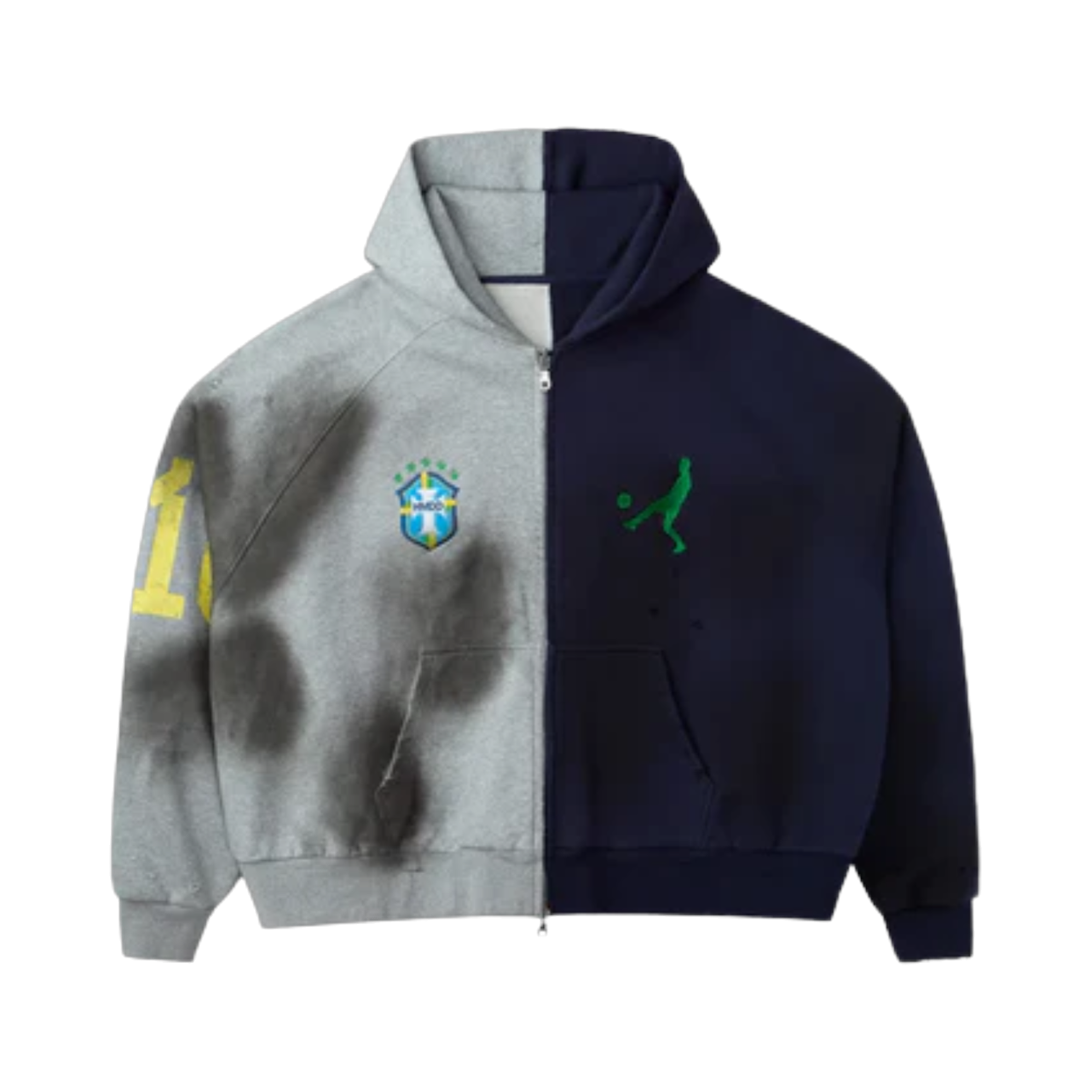
For anyone serious about extending the life of either piece, air-drying is the more reliable method, even though it takes longer. This is a small detail that rarely comes up in a typical HMDD review, but it makes a measurable difference over a 12-month ownership period. Rotating between two or three pairs of whichever product you buy more of also reduces the wash frequency per item, which slows fabric breakdown considerably.
Final Judgment: Which Piece You Should Purchase Before Anything Else
You won’t find one answer that works for all, but a workable decision-making approach can be found. If you’re building a capsule wardrobe from scratch and can only afford one category right now, base the decision on the current season and your day-to-day activity level rather than aesthetic preference alone. For someone shopping in March or April, shorts deliver more immediate use, whereas sweatpants better serve a shopper browsing in October.
For shoppers who’ve already explored HMDD clothing and are ready to expand their collection, having one of each turns your rotation into a full all-season system rather than something with a seasonal gap. Since the brand keeps sizing and material standards steady across both categories, you’re choosing according to function rather than uncertainty. Whichever you choose first, both products reflect the same underlying philosophy the brand was built on — comfort, longevity, and clothing that’s meant to be lived in, not just looked at.
Leave a Reply